Warehouse Lighting and High Bay LED Orange County
Warehouses live or die by presence. Pallet racking reaches 20 to 40 feet, forklifts move continuously, and barcode scanners demand crisp contrast. In Orange County, energy costs are real money, and Title 24 compliance is not optional. Good high bay LED lighting is more than picking a fixture with a huge lumen number. It is about beam control that hits the floor and the face of the rack, sensing unit reasoning that does not flick the lights off when an operator is on a picker, and electrical infrastructure that will run for years without a surprise shutdown.
I have actually swapped out hundreds of legacy metal halide and T5HO components in Anaheim, Santa Ana, and Irvine facilities. The best outcomes were never ever mishaps. They came from determining real tasks, picking a beam pattern for the aisles, and setting controls to match how the storage facility really moves.
What high bay LEDs do well, if you pick them well
The obvious win is efficiency. Quality high bay LEDs run between 130 and 180 lumens per watt today, with some premium models above that in cool temperatures. A 20,000 lumen LED at 150 lm/W draws approximately 135 watts. That replaces a 400 watt metal halide that in practice draws closer to 455 watts with the ballast. Multiply that throughout a 60,000 square foot building with 90 to 120 components, and you see genuine savings.
Equally important is optical control. Old fixtures blasted light in all directions. Modern optics produce narrow, medium, or wide circulations that keep light where you need it. In high rack aisles, a 60 by 20 degree pattern gets light onto the vertical faces. Over open staging areas, a large circulation smooths out shadows. Put the incorrect optic in the incorrect location and you will watch your foot-candles evaporate into the upper air.
LEDs also preserve light better gradually. Where metal halide drops 20 to 30 percent rapidly, a DLC Premium high bay generally keeps a minimum of 70 percent of preliminary output at 50,000 to 100,000 hours if ambient temperature levels are sensible. That suggests fewer relights, and fewer lifts pressed through your aisles at peak season.
The other big leap is controllability. High bays now ship with essential tenancy sensing units, photocells, and multi-stage dimming. In Orange County, California's energy code anticipates those controls, and the best programming produces a much better work environment. Consider defaulting to 20 percent low background light, then popping to complete when motion hits a zone. Aisles feel safe, choosing accuracy improves, and you still bank cost savings due to the fact that a lot of square video footage sits idle much of the day.
Light levels that match the work
No 2 warehouses run the very same jobs. IES recommendations for storage and industrial spaces differ. Easy bulk storage can perform at lower light levels, while small parts choosing, staging, and QC work need more. Instead of chasing after a single number, think in zones and ranges.
For basic bulk storage with large aisles and standard labeling, I expect 10 to 20 foot-candles on the flooring, with consistent vertical light on the first 5 to 6 feet of each rack face. For in-depth barcode scanning, lot evaluation, or kitting, 30 foot-candles is more comfortable. For loading benches and small assembly, 40 to 50 foot-candles at the work surface prevents eye strain.
A practical way to quote is to calculate initial lumens you need, then work in reverse. Take a 30,000 square foot area targeting 20 foot-candles. That is 30,000 x 20 = 600,000 lumens provided. Genuine installations lose light to dirt, lens losses, and temperature level, so use a light loss element between 0.7 and 0.8, and a coefficient of usage in the 0.6 to 0.8 variety depending on reflectances and optics. If you use 0.75 for each, your required preliminary lumens are approximately 600,000 divided by 0.75 divided by 0.75, or about 1,066,000. If you select 20,000 lumen fixtures, that suggests around 53 components. In practice, spacing, beam pattern, and mounting height will improve that number, but the method keeps you honest.
Mounting heights, spacing, and beam choices
Mounting height drives practically everything. Under 20 feet, you can often utilize lower outputs in the 10,000 to 15,000 lumen range with a broad circulation. In between 20 and 30 feet, 15,000 to 25,000 lumens with a medium beam typically works. Over 30 feet, 25,000 to 40,000 lumens with narrow optics keeps the flooring and racks brilliant without developing glare. The spacing to installing height ratio is a beneficial compass. For even protection with round high bays, spacing at about 1 to 1.2 times the mounting height holds harmony in big open locations. In rack aisles, the rack geometry rules, and linear high bays lined up with aisles typically win.
Color temperature and color rendering matter more than many owners expect. A 4000 K LED is a sweet area for a lot of warehouses, simple on the eyes with good color discrimination. If the operation does product assessment or color matching, push for a CRI of 80 or higher. For freezer, some clients like 5000 K for perceived brightness, but think about glare and worker comfort if shifts run long.
Controls, Title 24, and how to avoid nuisance shutoffs
California's Title 24 energy code puts particular requirements on nonresidential lighting. Warehouses with high bay luminaires require automated shutoff controls, occupancy sensing, and multi-level or constant dimming. Daylit zones near skylights or big windows need to utilize photosensors for automated daylighting. Aisle control is its own art. If you put a single sensing unit per fixture and program every component to drop to absolutely no after 15 minutes, someone on a picker a few bays over will feel like the lights chase them. Better method: group sensing units so one active aisle holds the surrounding bays at a low background, state 10 to 20 percent. Program fade rates over a few seconds instead of immediate on and off. That keeps visual continuity and safeguards drivers.
In practice, we see 3 control topologies. Initially, integral sensing units at each high bay with simple programs utilizing a handheld remote. Second, networked sensing units that report to a room or building controller, often over low voltage electrical wiring, with dashboards and scheduling. Third, cordless mesh controls with entrances that tie into an energy management system. All three can fulfill code. The right choice switches on size, IT policy, and spending plan. For a 20 fixture area, essential sensing units are typically ideal. For a 200 fixture center with a mix of daylit docks and 40 foot aisles, a networked or wireless system pays for itself in tuning and scheduling.
Demand reaction is ending up being common. Southern California energies run incentive programs that anticipate lighting systems to accept a shed signal and dim by a small portion throughout peak occasions. If you are picking hardware now, select motorists and controllers that support need action. It is far much easier to allow in software application later than to retrofit controls.
What it costs, and what it saves
Most high bay LED tasks pay back in 18 to 36 months, depending on hours of usage and energy rates. Orange County facilities often run 10 to 16 hours daily, 5 to 7 days each week. Change 100 metal halides at 455 watts each with 135 watt LEDs and you cut approximately 32 kW of demand. Over 3,000 hours per year, that has to do with 96,000 kWh, plus the HVAC benefit of less heat in the space. At 24 cents per kWh, savings land around 23,000 dollars per year before maintenance.
Maintenance cost savings are genuine. One Anaheim customer was leasing a scissor lift monthly simply to chase after burnt lamps. After conversion, they went two years before the very first motorist replacement. A driver costs more than a light, however 3 years of skipped relamps typically wins. When you include the security value of not pushing equipment through narrow aisles during peak, the operational gain matters as much as the energy.
Rebates help. Southern California Edison has actually provided midstream rewards for DLC noted high bay LEDs and controls. The precise amounts alter year to year, but I have seen 30 to 80 dollars per high bay for components, and extra rewards for innovative controls. A qualified Orange County electrical contractor can help browse present refunds and send documents properly. If you are already dealing with a commercial electrician Orange County based, ask to quote net of refund and show their presumed incentive in the proposal.
When high bays fail, it is usually among these reasons
High ambient temperature is the top killer. LED life time ratings assume a particular case or ambient temperature. In a ceiling where summertime temps hit 110 F, motorists prepare. Try to find components with a thermal ranking that matches your truth, not simply the brochure number. If your storage facility has a hot mezzanine or high roofing without ventilation, select a component with generous heatsinking and a chauffeur rated for 55 C ambient or higher. Avoid sealing the motorist inside a tight junction box unless it is created for it.
Dirty environments follow. Dust and fibers choke heat sinks and cover lenses. In a wood products storage facility in Santa Ana, I viewed lenses go amber in 18 months since we undershot the environment score. For dirty or washdown areas, select an IP65 rated real estate and a lens product that withstands yellowing, such as UV stabilized polycarbonate. Arrange a light cleansing two times a year. It takes 2 people, a scissor lift, and a vacuum with a brush. 10 minutes per component goes a long way.
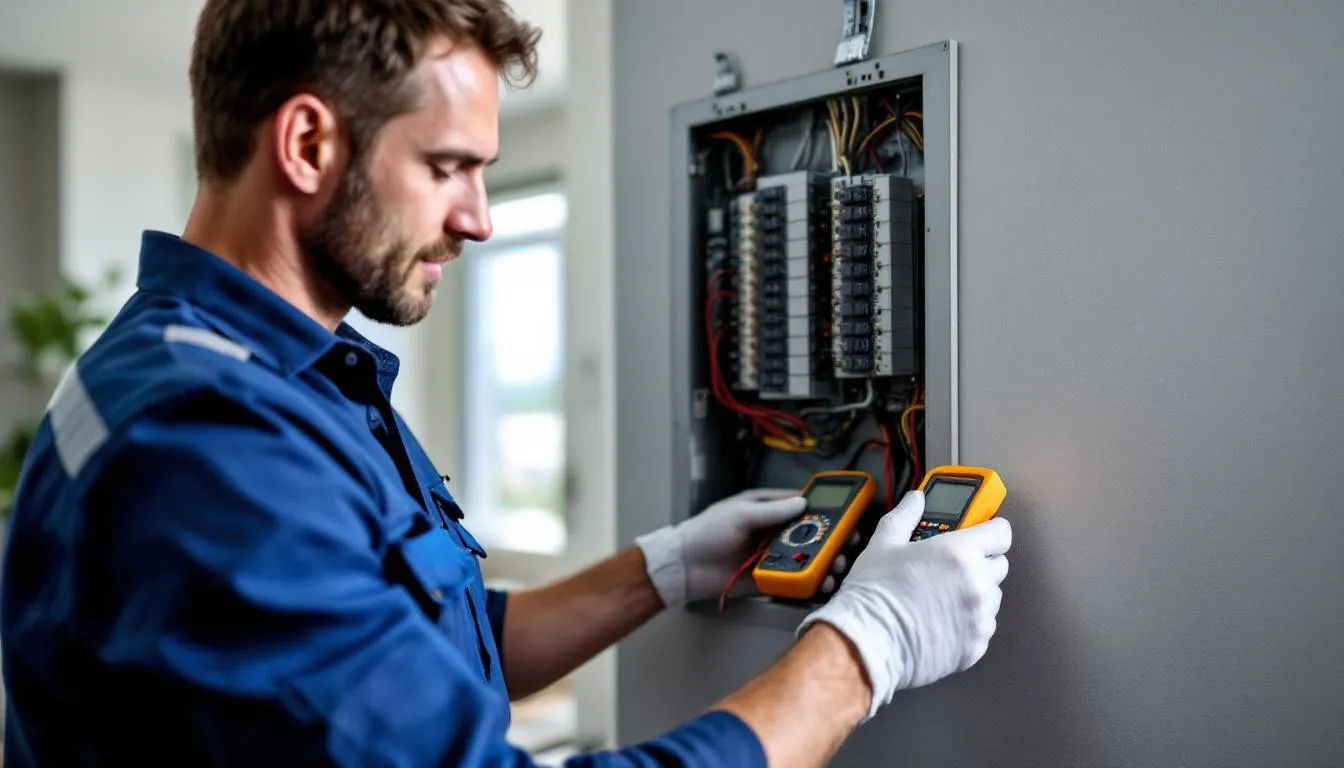
Power quality silently triggers unusual failures. Total harmonic distortion and voltage spikes shorten chauffeur life. If you see regular brownouts, add rise defense at the panel and consider fixtures with important rise suppression of 6 kV or better. In older buildings, an electrical evaluation Orange County electrical experts carry out before a lighting task often catches loose neutrals and overloaded circuits that would otherwise chew through drivers.
Linear versus round high bays
Round, or UFO style, high bays are compact and popular. They are fast to hang with a hook and cable, good for open locations, and easy to intend with an accessory reflector. Direct high bays mimic the footprint of the old T5 or T8 components. They shine in aisles since their rectangular distribution aligns with racking. They also spread out heat over a bigger location, which helps in warm ceilings.
I have actually had success blending both. In a Costa Mesa fulfillment center, we used linears down the rack aisles at 30 foot installing, narrow circulation, 24,000 lumens each. Over the cross aisles and staging, round 20,000 lumen systems with wide optics kept the flooring uniform. The component count visited 15 percent compared to an all round design because the linears put more light on the rack faces.
Safety lighting, egress, and emergency mode
High bays do not change code needed egress lighting. You still require devoted emergency situation lights or fixtures with battery backup to light paths of egress when power fails. In large areas, matching high bays with remote head emergency situation units or inverters that power a subset of high bays in emergency mode works well. Battery backup options within high bays exist, however examine temperature level ratings and serviceability. For tall ceilings, a main inverter can be much easier to keep than dozens of little batteries 35 feet up. A licensed electrician Orange County based can validate NFPA 101 and regional interpretations for your jurisdiction.
If forklifts run, consider low bay lighting under mezzanines and at loading dock lips where glare and shadows create threats. Movement sensing unit programs in those zones ought to set a higher background level so no one drives into a dark pocket.
How codes and authorizations fit the schedule
In Orange County cities like Anaheim, Irvine, and Santa Ana, lighting retrofits usually require an electrical authorization and Title 24 documents. The process is not heavy, but it pays to manage it easily. Strategies require fixture schedules showing wattage, controls stories, and approval testing at the end. The acceptance tests validate occupancy sensors, daytime controls, and multi level operation. Spending plan time for that sign off.
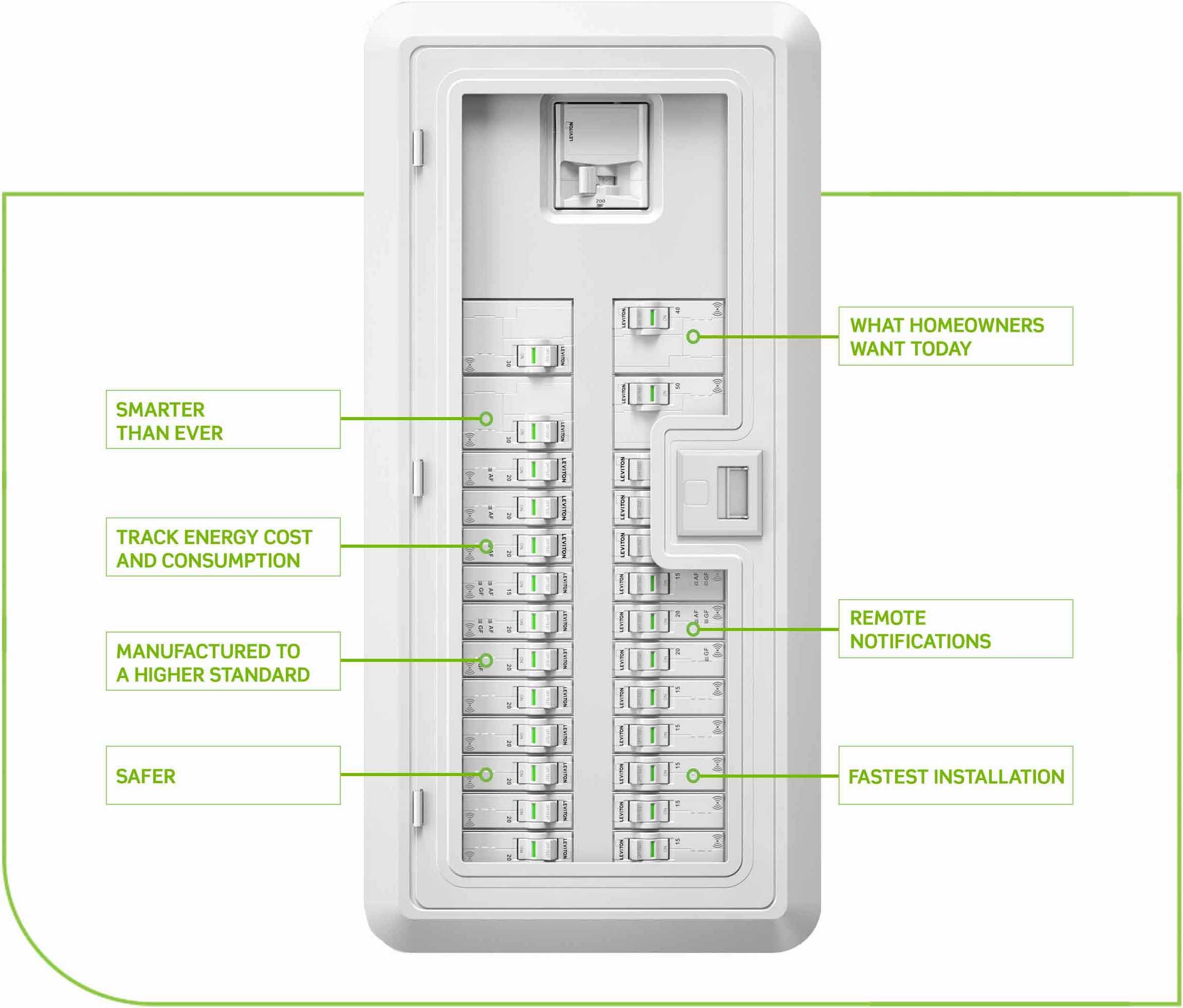
Your Orange County electrical contractor need to fulfill the inspector on website and demonstrate controls. If you choose a networked system, have a laptop or tablet prepared with the dashboard to reveal zones reacting. Inspectors appreciate clear labeling at panels and controllers. If your existing electrical panel is maxed out or has no clean circuits, an electrical panel upgrade Orange County job may be the primary step. In older buildings, panel replacement Orange County tasks frequently coincide with lighting upgrades so you prevent paying for two shutdowns.
A preparation checklist that keeps projects on track
- Map zones by job: bulk storage, selecting, packing, docks, QC, offices.
- Measure installing heights and aisle widths, and photo representative areas.
- Document existing circuiting, available panel space, and any recognized power quality issues.
- Decide control technique early: integral sensing units, networked wired, or wireless.
- Verify code compliance needs and scheduling for Title 24 acceptance testing.
Real arises from local floors
A Santa Ana beverage distributor had 86 metal halide high bays at 32 feet. The crew battled warm summer seasons under the roof and regular re-lamping. We replaced them with 24,000 lumen LEDs at 4000 K, narrow aisle optics in the racks, large optics over the open flooring, and group-based tenancy with a 20 percent background. Logged information showed a typical 64 percent kWh reduction. Forklift incidents associated with bad visibility dropped to no over the next year. The best feedback originated from pickers who stated their scanners read labels quicker due to the fact that vertical illumination improved.
In Anaheim, a 3rd party logistics center coupling cold storage and ambient zones required different options in the exact same structure. We chose drivers with greater temperature rankings for the ambient ceiling and a separate design validated for cold rooms, since some LEDs suffer in subfreezing spaces. Wireless manages dealt with demand response and let the customer schedule dimming after the graveyard shift ended. When Southern California Edison rolled out a new reward, the existing system certified with a firmware update.
Avoiding common missteps during installation
Spacing mistakes cause most early aggravations. If you reproduce the old component design without checking beam pattern, anticipate brilliant stripes under the fixtures and darker lanes in between. Constantly look at manufacturer photometrics, not simply a brochure wattage. For rack aisles, the pass fail test is basic. Stand in the middle of the aisle with your back to the light and check out a little label from five to 6 feet away. If it feels gray and you squint, you likely chose a broad optic where a narrow one belonged.
Sensor placement can be difficult over conveyor lines. Aisle sensors that depend on motion might not detect somebody who is standing at a pack station. In those circumstances, consider a double technology sensing unit at lower height for the workstation zone, or set a time out longer than the task cycle. An exact same day electrical contractor Orange County team can often return in the very first month to fine-tune timeouts and level of sensitivity when staff has actually lived with the system. Construct that service call into the plan.
Commissioning gets avoided frequently. Even fundamental important sensing units have several modes and dim levels. Make the effort to program zones, verify timeouts, and record settings. A laminated sheet in the maintenance office listing the programming codes and present worths saves headaches later on. In more advanced systems, offer a minimum of one facilities person admin access and short training. Otherwise, a minor modification waits weeks.
When to hire an electrical contractor, and what to ask them
Swapping lights is something. Rewiring numerous high bays at 30 feet, including controls, and documenting code compliance is a professional task. A commercial electrician Orange County business ought to bring more than a lift. Ask how they handle photometric designs, Title 24 documents, utility refund processing, and acceptance testing. Ask to see a recent warehouse they completed in the county. If your building has older electrical wiring or a history of nuisance trips, include electrical https://andersonwuni547.northvaledigest.com/posts/electric-automobile-charger-rebates-and-installations-orange-county troubleshooting Orange County services in the proposition so you are not stuck to modification orders.

For new building or major renovations, include an Orange County electrical contractor early with the architect and racking supplier. Ceiling penetrations, busway, and seismic factors to consider all affect hanging techniques. In areas with food storage, fixture accreditation and lens products matter to inspectors. If your operation plans electric forklifts or more EV battery chargers on site, think about power capacity now. An EV battery charger installation Orange County job can share facilities when you coordinate panels and feeders.
If your site includes workplaces, break spaces, or outside yards, integrate scopes. Crews already on site can frequently deal with recessed lighting Orange County work in the office, outdoor lighting Orange County enhancements for yard security, or outlet installation Orange County requires for brand-new workstations. Collaborating reduces mobilizations and keeps quality consistent. Some customers also incorporate generator installation Orange County planning where resilience matters for cold storage or crucial inventory.
Power, data, and the little details that make systems last
High bay LEDs reside on drivers that want steady voltage. If your service or panel reveals signs of age, think about tightening lugs and stabilizing loads during the task. If you prepare to reconfigure aisles later on, use cable and plug linked components on locking receptacles installed at the ceiling. That way you can move and rehang without opening junction boxes, and you keep the warranty cleaner.
For networked controls, low voltage circuitry Orange County installers can run plenum rated control cabling cleanly and identify it for future service. Smart home electrical wiring Orange County is a various market, but the discipline uses. Tidy labeling, documented IP addresses for entrances, and clear ownership in between IT and facilities prevent finger pointing later.
If your team works over night or you run seasonal peaks, strategy labor to keep aisles open. A 24 hr electrician Orange County service can stage work in off hours to avoid disrupting picking. A very same day electrical contractor Orange County call can repair a sensing unit that is misbehaving without waiting a week. If budget is tight, an affordable electrician Orange County choice can still handle a phased retrofit. Start with high use zones or locations where upkeep discomfort is worst.
A short contrast of fixture choices worth considering
- UFO round high bays: compact, quick install, great for open floors at 20 to 35 feet, easy to purchase with integral sensors.
- Linear high bays: much better in rack aisles, versatile mounting, often cooler running, great vertical illumination.
- High output designs: 30,000 to 40,000 lumens for 35 to 45 foot ceilings, choose narrow optics to control glare.
- Food grade or washdown: sealed IP65 real estates, smooth surface areas, UV stabilized lenses, check NSF or similar markings if required.
- Cold storage rated: motorists and LEDs confirmed for low temperature level starts and operation, verify lumen upkeep information at temperature.
What a complete scope often includes
A clean warehouse lighting upgrade in Orange County normally covers these actions. Study and photometric layout to show light levels. Component selection by zone, optics, and output. Controls design that satisfies Title 24 and matches operations. Authorization and utility reward paperwork. Installation with lifts, security plans, and a phased schedule. Commissioning with acceptance screening. Training and a 30 day follow up for tweaks.
Along the method, an electrician near me Orange County search can appear a mix of providers. Try to find leading rated electrical expert Orange County reviews that mention warehouses or warehouse, not just residential ceiling fan installation Orange County or whole home rewiring Orange County. Residential electrician Orange County capability are valuable, however warehouses include height, controls, and code acceptance screening that business teams handle daily. If you require small tenant enhancements together with the lighting, a regional electrical expert Orange County group can bundle tasks like outlet runs, panel labeling, and minor Orange County electrical repair under one mobilization.
If you are unsure where to start, begin with a walk through and an electrical evaluation Orange County based. An excellent specialist will bring a light meter, check panel capability, and inquire about your busiest hours, the tightest aisles, and where staff grumbles. That conversation informs you more than a glossy specification sheet ever will. Then let the numbers and the photometrics do the talking. When the strategy fits the work, high bay LEDs turn a storage facility from dim and hot to intense, accurate, and efficient, and they keep paying back every time you flip the switch.